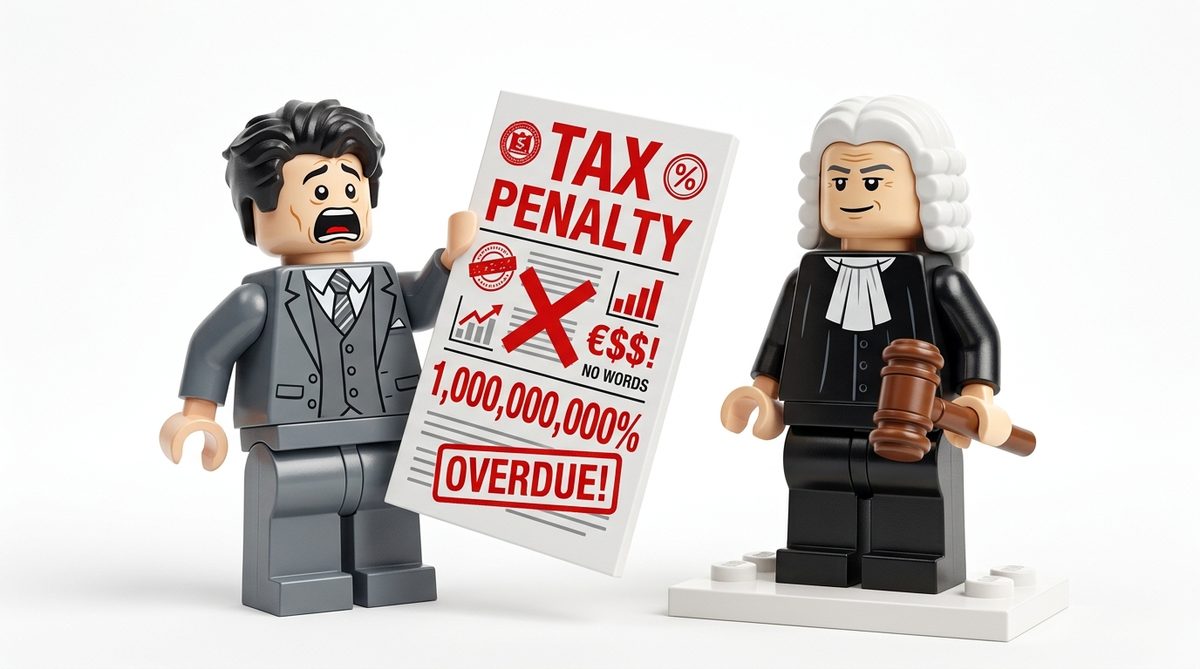
The 2026-2027 budget, presented on 19 June by the Prime Minister, didn't slip past accountants. It's a little easier for entrepreneurs to miss. One line, tucked away in the tax annexes, deserves your full attention: penalties for invoicing and e-invoicing non-compliance have just been raised, and the window to claim your VAT credit has been cut from 36 to 24 months.
In practice, the tolerance margin that many Mauritian micro and small businesses gave themselves on their invoicing, «I'll sort it out later», has just shrunk from both ends. More expensive if you're at fault. Less time to recover what you're owed.
What exactly the 2026-2027 budget changed
Two measures combine here. On one hand, the MRA is toughening financial sanctions for non-compliant invoices or missing e-invoicing where it's required. On the other, the window to claim a VAT credit is cut by a third. A misfiled invoice, a lost receipt, a duplicate forgotten in a spreadsheet: what used to be a simple administrative catch-up now costs more, and has to be fixed in a shorter window.
This isn't a coincidence of timing. The reform follows the ongoing rollout of the Electronic Billing System (EBS), which keeps extending its scope to smaller and smaller businesses. The MRA's message has been consistent since 2024: manual invoicing is becoming a risk, not just a habit.
Why the MRA is tightening the screws now
The stricter penalties serve a simple goal: speed up adoption of electronic invoicing before EBS thresholds drop even further. A business that already automates its invoice tracking, reminders and archiving has almost nothing to fear from these new rules, it's structurally compliant. A business still running its invoicing on Excel or paper is taking on a risk that grows every quarter.
For micro and small businesses, the real question is no longer «will I get audited?» but «what would it cost me if I were, under the new penalties?»
How to get compliant this week
Three habits are enough to get out of the risk zone: centralise every invoice and receipt in a single timestamped system, switch to automatic payment tracking and reminders instead of manual follow-up, and make sure your invoicing tool is ready for the MRA's EBS requirements before your threshold is even reached.
Facture.mu was built from Mauritius to answer exactly this regulatory context: it's the first MRA EBS-compatible invoicing software, designed for local micro and small businesses, not retrofitted from a foreign market. Quotes, invoices, receipts, automatic reminders and payment tracking all live in one place, easier compliance becomes a side effect of your organisation, not a project of its own.
The 2026-2027 budget just made waiting a costlier habit. The good news: getting compliant takes about two weeks.
Try Facture.mu free for 15 days, no credit card required.
Start my free trial →